
Peptide Lyophilization Process: How Freeze-Dried Peptides Are Made for Research Use
Learning about peptides starts with understanding how research materials are prepared, documented, and stored. Peptides are chains of amino acids linked by peptide bonds. Their characteristics depend on factors such as amino acid sequence, composition, and the conditions under which they are handled.
This overview from Ultra Pure Bioscience introduces six stages associated with preparing freeze-dried research peptides. It provides general background rather than a manufacturing protocol or a description of a particular product’s production process. Methods and specifications vary between compounds, formulations, and suppliers.
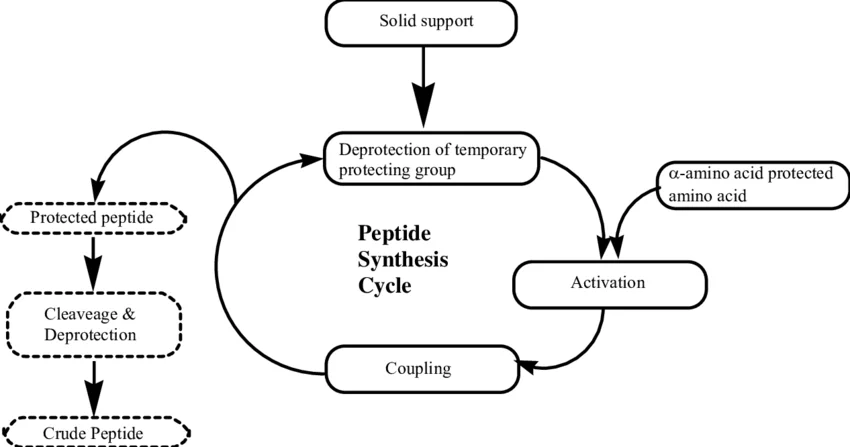
1. About Peptides and Synthesis
Peptide synthesis involves assembling amino acids in a defined sequence. The method selected depends on the intended material and the requirements of the process. Researchers evaluating a peptide should review its listed identity, sequence where available, and supporting specifications.
Synthesis is only one part of preparing a research material. A product’s appearance or name does not independently establish its identity, purity, or suitability for an experiment. Those questions require appropriate documentation and, where necessary, additional analytical assessment.
2. Purification and Preparation
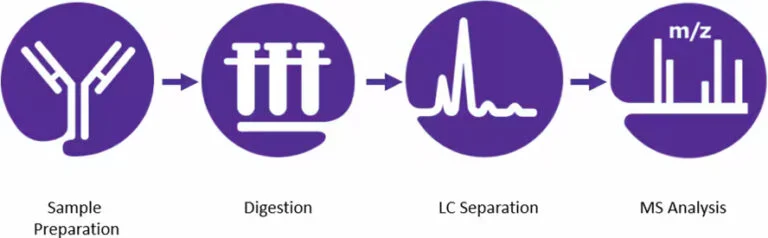
Following synthesis, purification may be used to separate the intended peptide from other components. Analytical techniques can then provide information about selected characteristics of the sample. The methods used and the results obtained should be reviewed in the relevant testing documentation.
Before freeze-drying, the material is prepared in a suitable formulation. Solvent selection, concentration, and other preparation conditions depend on the compound and process requirements. There is no single preparation method that applies to every research peptide.
When learning about peptides, distinguish between a general process description and product-specific instructions. Follow the documentation supplied for the individual material rather than assuming that another compound’s preparation conditions are interchangeable.

3. Freezing Before Drying
Freezing is the first stage of lyophilization, also called freeze-drying. The prepared formulation is frozen before drying proceeds under controlled conditions. The freezing stage influences the structure of the frozen material and how subsequent drying can proceed.
Appropriate conditions depend on the formulation and equipment. A general educational page cannot establish a suitable freezing temperature or cycle for every peptide. Process parameters require assessment for the material concerned.
4. Primary Drying Through Sublimation
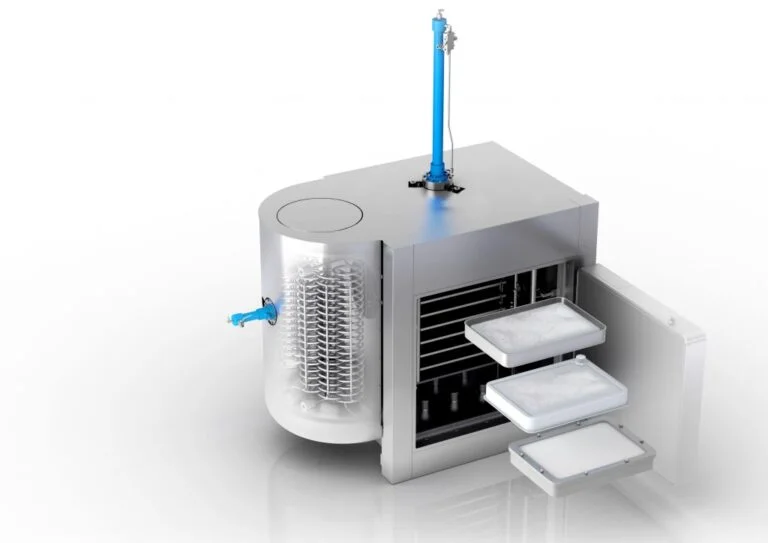
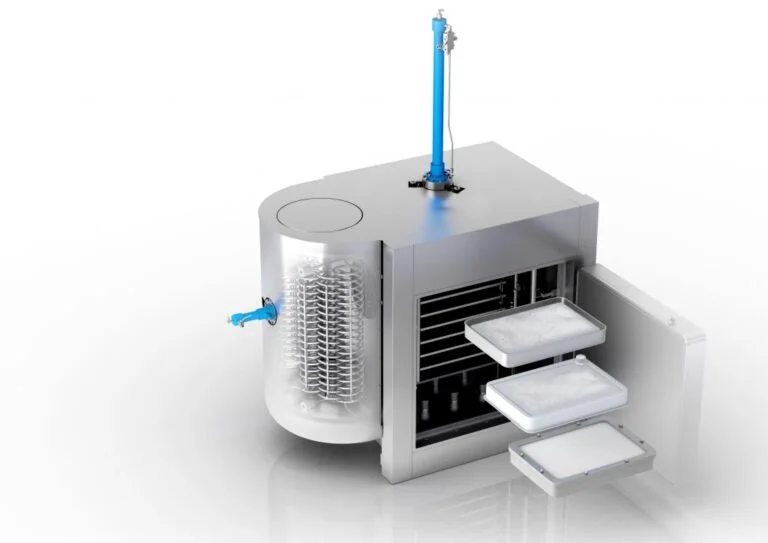
During primary drying, frozen solvent is removed through sublimation under reduced pressure. Sublimation describes the transition from a solid directly into vapor. Temperature and pressure are controlled as part of the drying cycle.
This stage should not be confused with purification. Removing solvent does not, by itself, demonstrate peptide identity, eliminate every impurity, or establish a particular purity percentage. Analytical results must be interpreted separately from the drying process.
Understanding this distinction is useful when reading about peptides online. Terms such as “freeze-dried” describe a processing method or physical form; they do not replace testing records or product specifications.
5. Secondary Drying and Documentation
Secondary drying follows primary drying and removes additional moisture associated with the material. The conditions and endpoint depend on the formulation and the requirements established for the process.
For purchasing decisions, review available Certificates of Analysis (COAs) alongside the product listing. A report may identify the tested sample, analytical methods, and reported results. Check which parameters were actually assessed rather than assuming that every characteristic was tested.
A reported purity result does not independently establish sterility, clinical safety, or suitability for every laboratory application. Questions about missing information should be raised before purchasing or using the material.
6. Sealing, Storage, and Research Handling
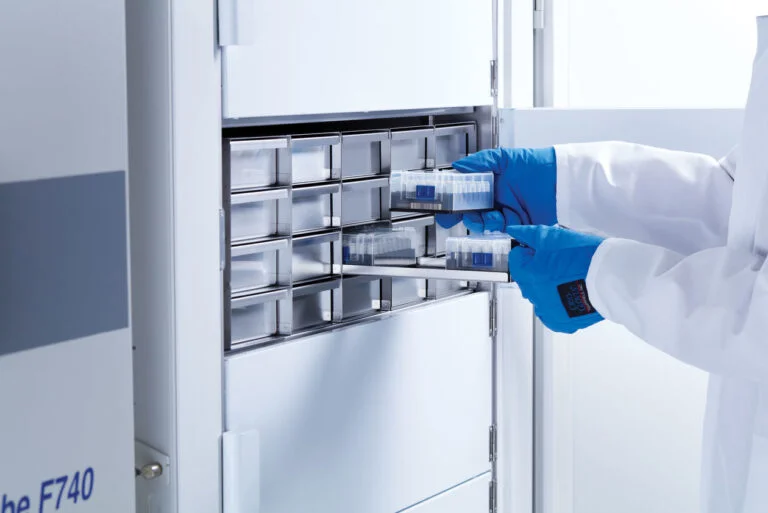
After drying, appropriate packaging and storage help manage exposure to environmental conditions. Researchers should consult the individual product’s storage guidance and their institution’s handling procedures.
Avoid applying a universal storage temperature or shelf life to all peptides. Requirements may differ between dry materials and prepared solutions, and between individual compounds. Keep relevant labels, lot details, and documentation with laboratory records.
Questions About Peptides and Product Information
For information about peptides listed by Ultra Pure Bioscience, review the individual product specifications and available documentation. Contact our team for assistance with product information, documentation requests, or order inquiries.
All materials are intended exclusively for scientific and laboratory research. Not for human or veterinary use, consumption, or therapeutic, medical, or diagnostic applications.
The freezing, primary-drying, and secondary-drying explanation follows the established lyophilization stages described in FDA reference material. This does not imply FDA endorsement of UPB products. FDA
For additional background about peptides and chemical terminology, explore the International Union of Pure and Applied Chemistry . To review available research materials, browse our research peptides or contact Ultra Pure Bioscience for product documentation inquiries.